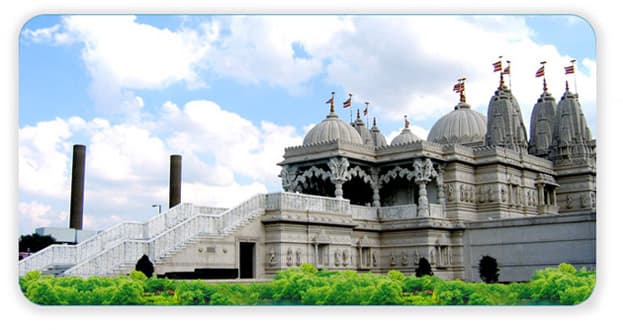
Shri Akshar Purushottam Swaminarayan Temple
A Guinness World Record holding traditional double-storied stone temple without steel, featuring Bulgarian limestone exteriors and intricate marble interiors.

The Story
About This Sacred Structure
A Guinness World Record holding traditional double-storied stone temple without steel, featuring Bulgarian limestone exteriors and intricate marble interiors.
This magnificent temple was designed and constructed under the direction of Param Pujya Pramukh Swami Maharaj. Building a traditional Indian temple within the strict framework of United Kingdom rules and regulations posed a significant challenge. Initial meetings with London councilors began in 1986, and it took five long years to secure permission in 1991. Construction then commenced and was successfully completed by 1995. Shri Akshar Purushottam Swaminarayan Temple in London is a striking double-storied structure. It features five main interiors, plus two additional interiors for Hanumanji and Ganpati, making a total of seven 'Garbh-Gruhas'. The architectural design comprises five summits over the 'Garbh-Gruhas', one large central dome, and three smaller domes. Elaborate pillars and mandaps fitted with decorative idols enhance the impressive workmanship. The exterior is crafted from Bulgarian limestone, while the interiors are adorned with Indian and Italian marble. Constructed entirely without the use of steel, the temple is a beautiful manifestation of Indian culture abroad. Recognized as the largest traditional stone temple built outside India, it earned a place in the Guinness Book of World Records. Furthermore, the architecture of this temple was honored with a special 'best architect' award by the renowned diamond company 'De Beers' and the Stone Federation of the U.K.
Shri Akshar Purushottam Swaminarayan Temple
Project Overview
- Style
- Traditional Swaminarayan Temple Architecture
- Location
- London, UK
- Year
- 1995
- Duration
- 4 years (after 5 years of planning)
- Artisans
- Traditional Sompura Craftsmen
- Material
- Bulgarian Limestone, Indian & Italian Marble
- Height
- Double Storied
- Status
- Completed
Gallery
In Every Carved Detail
The Craft
How This Temple Was Built
Every Sompura temple follows a five-stage process rooted in the ancient SHILP Shastra texts — from the first survey of the land to the final sacred consecration.
Primary Material
Bulgarian Limestone, Indian & Italian Marble
Artisans Involved
Traditional Sompura Craftsmen
Construction Period
4 years (after 5 years of planning)
Site & Vastu Analysis
Every project begins with a thorough Vastu analysis — assessing cardinal alignment, soil quality, water table, and the subtle energetic properties of the land.
Sacred Drawing (Rekha)
Master Sthapatis produce hand-drawn plans based on Manasara and Mayamata proportional canons. Every column, shikhara, and doorway follows precise mathematical ratios.
Stone Selection
Stone is chosen based on grain, hardness, and acoustic properties. Sandstone, marble, and granite are assessed at the quarry before transport to the carving yard.
Hand Carving
Hereditary craftsmen carve each panel and deity by hand using traditional tools — chisels, hammers, and adzes passed down through generations of shilpis.
Assembly & Consecration
Stone panels are assembled using traditional dry-joint mortise and tenon connections — no cement. The structure is completed with Prana Pratishtha, the sacred consecration ritual.
More Projects
Related Temples
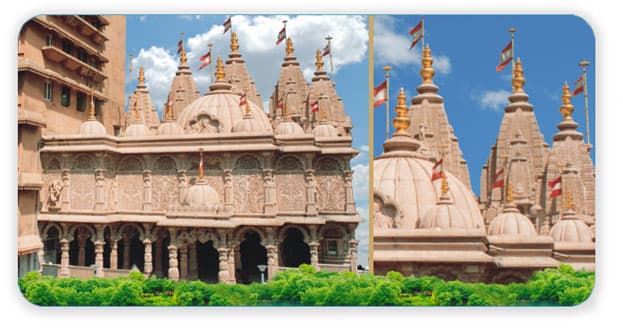
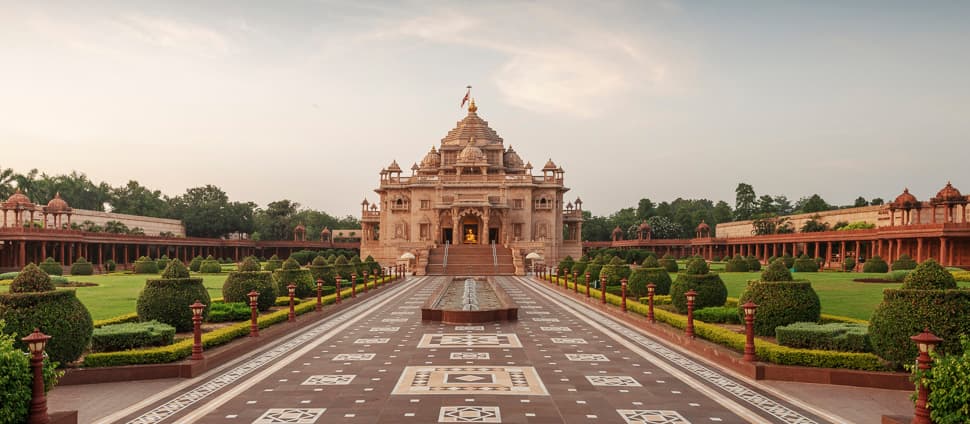
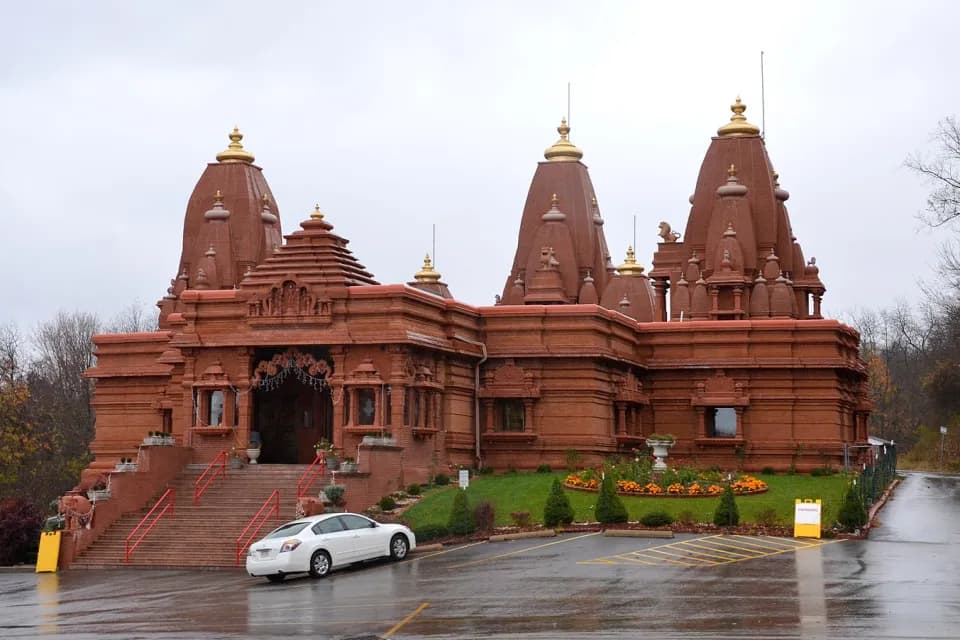
Start Your Project
Begin Your Sacred Project
Whether you are commissioning a new temple, restoring a heritage structure, or seeking sacred architectural guidance — our masters are ready to listen, advise, and create.